Table of Content
- What is application modernization?
- Key Components of Application Modernization
- Modernization for enterprise programs will usually include the following security features:
- Best 5 Application Modernization Companies in 2026
- 1. Digisoft Solution
- Why It Leads in 2026
- 2. Accenture
- 3. Cognizant
- 4. Tata Consultancy Services (TCS)
- 5. Infosys
- Why Application Modernization Matters in 2026
- What Application Modernization Actually Involves
- Advanced Architectural Patterns for Enterprise Modernization
- Strangler Fig Pattern
- Domain-Driven Design (DDD)
- Event Sourcing
- Blue and Green Deployment
- Canary Release Patterns
- How to Evaluate Application Modernization Solutions
- How to Choose the Best Application Modernization Company
- 1 . Prioritize relevant experience over general reputation.
- 2. Assess their legacy forensics capability
- 3. Evaluate cultural and communication fit
- 4. Examine their risk management strategy
- 5. Focus on outcomes, not just technical delivery
- 6. Consider the knowledge transfer commitment
- 7. Validate their post-deployment support model
- Emerging Trends Shaping Application Modernization in 2026
- Strategic Takeaways for Application Modernization in 2026
- Frequently Asked Questions
- How long does the modernization of an application normally take?
- What is the difference between application modernization and digital transformation?
- What is the cost of application modernization?
- Do we need to modernize or replace our outdated system?
- How can we gauge the impact of modernizing an application?
- What's the chance of not doing anything?
- How can we ensure business continuity in modernization?
Digital Transform with Us
Please feel free to share your thoughts and we can discuss it over a cup of coffee.
Resilient, elastic real-time architectures designed to be compatible with cloud-native and distributed systems design principles are crucial to modernize in 2026 across large-scale, highly controlled industries (BFSI, telecom, and healthcare). Modern DevSecOps practices, containers orchestration tools, AI pipelines, and cloud infrastructures that are distributed are challenging to incorporate and scale within monolithic systems based on outdated frameworks with tightly coupled architectures and non-supported middleware.
Software application modernization isn't an exercise in cost optimization. It's a major change initiative that focuses on rewriting software to be compatible with cloud-native design principles, microservices architectures, and API-first development, as well as zero-trust security models and automated workflows for the CI/CD.
This guide gives a comprehensive outline of modernization strategies assessments frameworks, assessment methods, and the top firms in the field in 2026.
What is application modernization?
Application modernization is the process of transforming outdated software systems into cloud-native, scalable, secure, and high-performance applications by utilizing modern frameworks, architectures, automation pipelines, and infrastructure models.
It goes beyond the simple process of migration. Modernization is about re-architecting monolithic software, refactoring outdated codebases, upgrading technologies, containerizing applications, exposing functionality via APIs, and embedding DevSecOps practices to align apps with the current digital environment.
In 2026, modernization extends beyond cloud migration. It enables:
- Microservices architecture
- Containerization (Docker) and orchestration (Kubernetes)
- API-first development
- Event-driven systems
- Continuous integration and continuous deployment (CI/CD)
- Zero-trust security model
- AI enablement and advanced data analytics readiness
Modern applications are designed to be modular, resilient, scalable, and observable, unlike legacy systems that are tightly coupled, infrastructure-dependent, and difficult to update.
Enterprise modernization must include:
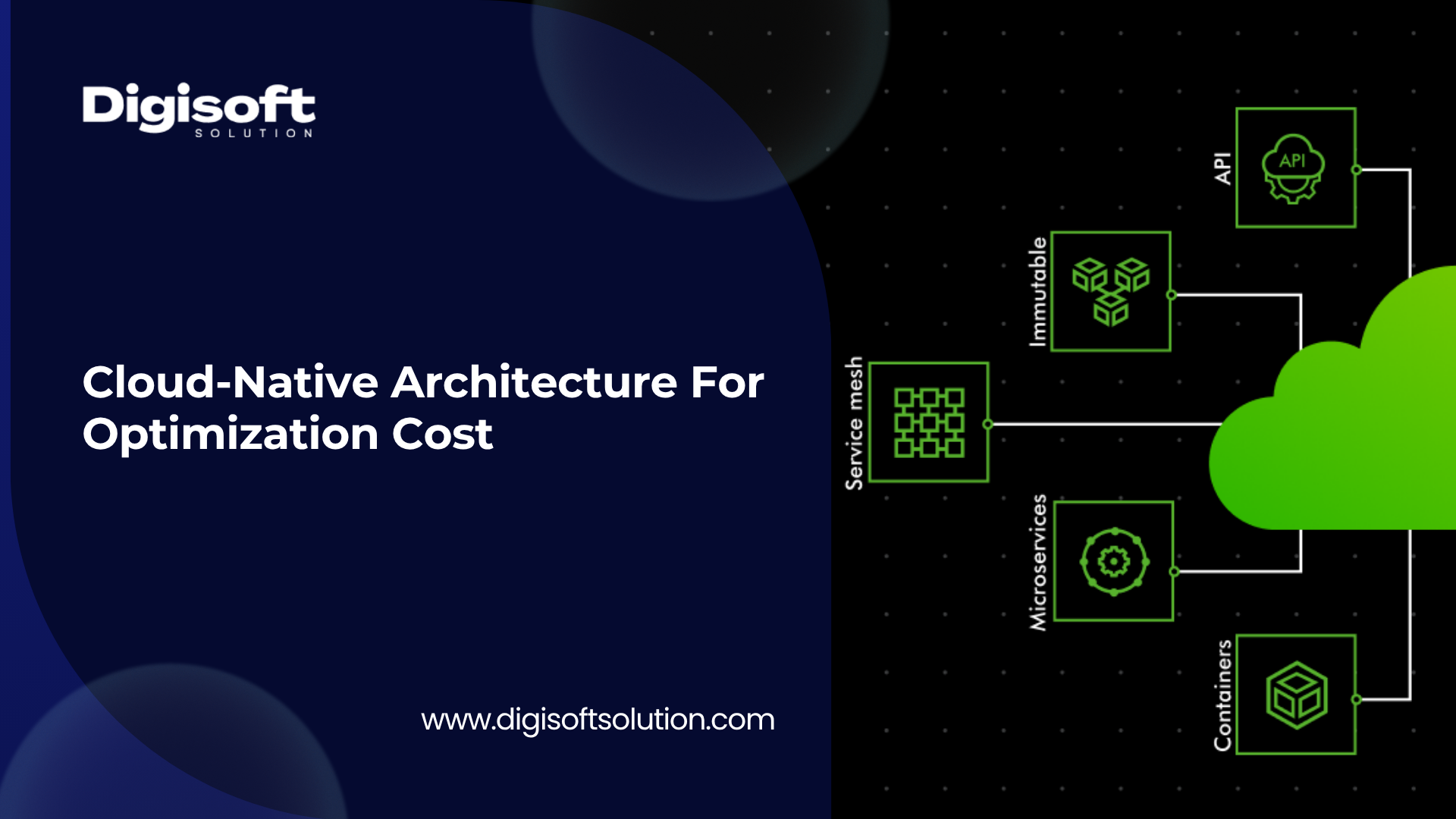
- Service mesh for security and traffic control
- Observability stack integration
- Engineering patterns for resilience
- Data architecture modernization
- Internal developer platform enablement
Key Components of Application Modernization
1. Architecture Transformation
Modernization usually involves decomposing monolithic software into microservices that are loosely coupled. This facilitates independent scaling, shorter deployment cycles, and improved reliability across distributed environments.
2. Cloud Enablement
Applications are redesigned to leverage Infrastructure-as-a-Service (IaaS), Platform-as-a-Service (PaaS), serverless computing, and managed cloud services to reduce infrastructure management overhead and improve elasticity.
3. Code Refactoring & Optimization
Legacy codebases are restructured to reduce redundancy, enhance efficiency, improve maintainability, and align with the latest frameworks for programming as well as best practices.
4. DevOps & Automation Integration
CI/CD pipelines, automated testing frameworks, infrastructure-as-code tools (such as Terraform), and monitoring tools are integrated to speed up release cycles and increase deployment reliability.
5. Security & Compliance Modernization
Modernization includes identity management and encryption standards, as well as monitors at runtime, threat detection, vulnerability scans, and automatized compliance into process workflows for applications. In 2026,
Modernization for enterprise programs will usually include the following security features:
A. Zero Trust Network Segmentation: Applications are developed using zero-trust concepts, meaning that there is no internal service that can be considered to be reliable. Service-to-service communication is authenticated, encrypted, and authorized, and protected by the use of mutual TLS as well as access controls that are based on policies.
B. Identity Federation (OIDC, SAML): Modern systems include central identity providers, using standards such as OpenID Connect (OIDC) and SAML. This provides security-grade single sign-on (SSO) and multi-factor authentication (MFA) as well as specific role-based access control that is fine-grained across many services.
C. SBOM (Software Bill of Materials) Generation: Modernization programs for mature companies increasingly incorporate automatic SBOM generation, which gives complete access to dependencies from third parties as well as open-source components. This increases your supply chain security as well as aids in compliance with the most recent laws.
D. Container Image Scanning: Each image inside the container is examined during CI/CD to find weaknesses, configuration errors, and obsolete libraries before being distributed to production systems.
E. Runtime Anomaly Detection: The most recent applications include the runtime detection of threats that detect any behavioral irregularities, privilege escalation efforts, and other suspicious network activity in real time.
F. Integrating DevSecOps: Security tests (SAST, DAST, and policy-as-code) are integrated directly within the process of developing CI/CD. Thus, vulnerabilities will be identified earlier during the development phase instead of after release.
Best 5 Application Modernization Companies in 2026
1. Digisoft Solution

Digisoft Solution differentiates itself through the depth of its technical expertise, coupled with strategic modernization consultancy. Instead of offering generic cloud migration solutions, the company conducts the following: architecture reviews, profiling workloads, and ROI analysis prior to creating transformation roadmaps.
Technical Strengths
- Containerization and microservices transformation
- Kubernetes Orchestration and Docker Container Deployment
- Azure, AWS, and GCP cloud architecture design
- Automation of CI/CD and DevSecOps implementation
- API gateway integration and implementation modernization
- AI and automation embedding in enterprise applications
Why It Leads in 2026
Digisoft Solution emphasizes outcome-driven modernization, aligning architecture changes with performance improvements, operational cost reduction, and AI readiness. The approach they employ is continuous monitoring frameworks and dashboards that ensure stability and scalability post-migration.
Most suitable for mid-sized and large enterprises that require a custom modernization instead of a template-driven one.
2. Accenture

Website: https://www.accenture.com/us-en
Accenture offers large-scale enterprise modernization, specifically for Fortune 500 organizations operating complex, outdated ecosystems such as ERP systems, mainframes, and proprietary middleware stacks.
Technical Capabilities
- Modernization of the mainframe
- Hybrid cloud transformation
- Enterprise integration frameworks
- AI-enabled process automation
- Industry-specific modernization accelerators
Accenture excels in the areas of regulation where automation of compliance and governance frameworks is essential.
3. Cognizant

Website: https://www.cognizant.com/us/en
Cognizant concentrates on modernization with an emphasis on automation. It utilizes its own analysis tools and AI-based transformation frameworks to accelerate application decomposition and shorten migration timelines.
- Technical Strengths
- API-first architecture design
- DevOps maturation acceleration
- Microservices and an event-driven architecture
- Frameworks for automating regression testing
Ideal for businesses looking to modernize quickly without sacrificing quality control or automation standards.
4. Tata Consultancy Services (TCS)

Website: https://www.tcs.com/
TCS integrates AI-driven tools for refactoring together with cloud transformation software for the enterprise. Their modernization solutions often include cognitive automation in order to streamline workflows and eliminate operational inefficiencies.
Technical Highlights
- AI-assisted code analysis and refactoring acceleration
- Enterprise-scale Kubernetes deployments
- Cloud-to-data-center transitions
- Continuous verification of compliance frameworks
TCS is extremely effective for multinational companies with multiple regions and distributed infrastructure.
5. Infosys

Website: https://www.infosys.com/
Infosys integrates modernization of cloud-agnostic technology with automation frameworks that enable seamless migration across multi-cloud environments.
Technical Strengths
- API management platforms
- Monitoring and observability integration
- AI-driven IT Operations (AIOps)
- Cloud cost optimization frameworks
Infosys is a great choice for businesses looking to modernize their systems without having to choose a single cloud service.
Why Application Modernization Matters in 2026
A lot of companies are facing an increasing modernization problem. This isn't a cyberattack or market crashes; it's structural technology decline. Systems that once gave companies a competitive advantage now pose a barrier to security, innovation, and the ability to scale.
Many companies still perform critical functions that predate phones, cloud computing, and modern security frameworks. Monolithic architectures that used to speed up advancement are now slowing innovation.
What was once an advantage in competition is now a cost that is costly, discourages the top engineers, and makes the company vulnerable across the entire stack.
In 2026, the modernization of software isn't just a "nice-to-have" buried in IT plans. It's now a strategic survival necessity, and pressure is coming from every direction. Cloud-based competitors are growing faster, which means that customers expect an uncluttered digital experience.
Regulators are calling for greater data safety and security. The pool of talent has been shrinking among software engineers who are capable of managing COBOL, along with older Java EE or on-premise systems that were in use for 10 years.
The question isn't whether or not to modernize, but rather what you should do. The question is how to accomplish it without causing any disruption to the process, and also, who can you able to believe can carry out the changes?
What Application Modernization Actually Involves
Before we get into who is able to perform the best job, let's first understand what modernizing apps actually means. Since the term is frequently misused, its meaning is essential when deciding on a company.
The core concept behind modernization of software involves changing or rebuilding applications that have become inefficient to make them compatible with modern technologies, the demands of business, and the requirements of the users. But, once you dig deeper into the details, you'll discover that it's a more expansive and intricate field than the simplest definition implies.
- Re-platforming enables an application to change to a different runtime platform, typically the cloud, without changing the basic operation of the app. It's a "lift and shift with a twist" method. Cloud scalability is accomplished without having to rewrite the entire code base.
- Re-architecting goes deeper. It involves rethinking the application's structure by breaking it into microservices, altering patterns of data flow, and introducing patterns driven by events. This is more disruptive, but it also allows for more flexibility and efficiency.
- Re-engineering, also known as re-coding, can be described as writing old software using modern frameworks and languages and preserving the core business logic. It's a laborious job that requires an in-depth understanding of what previous software actually did, and usually without proper documentation.
- The replacement of outdated systems that can't accommodate the latest regulatory, business, or digital requirements with the purpose-built SaaS or a specialized application is usually the most sustainable long-term approach.
- Encapsulation wraps old systems into modern APIs, providing access to the modern without the need for a replacement right away. This is particularly useful for systems that still work well but require interaction with modern apps.
- Containerization enables applications to be placed in OCI-compliant containers. They are run through runtimes like containerd or CRI-O and controlled by Kubernetes to ensure scalability and reliability, which allows flexibility, scalability, and resilience that can be hard to replicate when compared to traditional on-prem deployments.
- AI integration is an integral part of modernization efforts through 2026. Businesses aren't just moving to cloud services and incorporating machine learning methods and intelligent automation, but also AI-powered functions in their modern applications.
- The most efficient modernization partners don't recommend a particular strategy. They assess your particular situation and recommend a range of options that are suited to your particular architecture budget, timeframe, and timeline, and also your tolerance to risk.
Advanced Architectural Patterns for Enterprise Modernization
Modernization of enterprise architecture isn't just about choosing an appropriate strategy for moving. It is a matter of using well-tested deployment and architectural methods that lower risks, ensure business continuity, and provide ongoing capacity.
Strangler Fig Pattern
Companies gradually replace monolithic elements by creating new microservices within the system in place. The traffic is gradually diverted from the old modules to the new applications until the single component is able to be safely removed from service. This helps reduce operational disruptions and the risk of migration.
Anti-Corruption Layer (ACL)
When modern applications interact with systems that are older, an anti-corruption layer functions as a boundary for translation. It can prevent obsolete data models, business logic constraints, and communication protocols from infiltrating the new structure. This is crucial when integrating into ERP software, mainframes, or other proprietary middleware.
Domain-Driven Design (DDD)
Decomposition of microservices should be based on the business domains, not technical layers. Utilizing bounded contexts will ensure that the services remain separate and aligned with core capabilities in business and avoid the development of distributed monoliths that are tightly coupled.
Event Sourcing
In event-driven systems, the application's state changes are saved in immutable events, not directly updating databases. This improves auditability, allows replay capabilities, and increases the resilience of distributed systems. It is especially useful in financial and regulated contexts.
Blue and Green Deployment
Two production environments are running in parallel. The one handles real-time traffic, and the other is receiving the latest version. Once the traffic is validated, it switches immediately, allowing zero-downtime releases and quick rollbacks if required.
Canary Release Patterns
A small portion of user traffic is gradually directed to new application versions while checking performance metrics such as errors, latency, and utilization of resources. After validation, traffic grows incrementally and reduces risk to production
How to Evaluate Application Modernization Solutions
Making a decision to modernize your approach prior to selecting a vendor is the best choice. Here's a guideline for thinking through the solutions landscape before contacting vendors.
1. Start with a portfolio assessment
Begin by assessing your portfolio. Each application does not require the same level of modernization. An accurate portfolio analysis classifies applications based on technological health, business criticality, modernization complexity, and strategic alignment. The results are an organized roadmap that prioritizes modernization efforts rationally, not emotionally.
2. Understand cloud strategy
Learn about the cloud strategies you have in place. The lack of a clearly defined cloud strategy can lead to costly confusion. Be aware of your preferred cloud environment, whether it is single-cloud, multi-cloud, or hybrid, before considering alternatives. The architecture you choose to use determines every technological decision that will follow.
3. Evaluate automation maturity
Modernization strategies that are most effective use automated code analysis as well as dependency mapping, testing, and even code transformation. Check with vendors about their automated tools and the percentage of modernization tasks they will be able to handle versus the work that requires manual effort.
4. Consider the data modernization dimension
Applications aren't isolated, as they are connected to databases, pipelines of data, or analytics platforms. Modernization solutions that address the application's architecture without taking into account the data architecture solve only half of the problem.
5. Examine the security and compliance capabilities
Modernization opens a door to risk if security isn't incorporated in the procedure. Consider the ways that possible solutions can handle security architecture as well as identity and access management, encryption of data, and compliance needs specific to your particular industry.
6. Look at the testing strategy
One of the biggest risks of modernization is making sure that modernized apps behave in a similar manner to their predecessors from the past. Regression testing, automated, running in parallel, or canary-based deployments are ways to reduce the chance of functional degradation. Ask the vendors how they deal with this.
How to Choose the Best Application Modernization Company
With a clear map of the solution landscape, here is a guideline for selecting the best partner.
1 . Prioritize relevant experience over general reputation.
A company with a stellar reputation for modernizing retail might not be the ideal choice for a healthcare company handling HIPAA-regulated patient data. Be specific about your experience in your field as well as your current technology stack. Ask for case studies, references, and, if possible, discussions with customers who have successfully completed similar programs.
2. Assess their legacy forensics capability
The least appreciated skill in modernization is knowing what a system is actually doing. Modern software is usually well documented, whereas older systems often are not. An experienced partner who can interpret, read, and securely extract business logic from undocumented old software is more valuable than someone who is skilled in cloud architecture but is weak in the realm of legacy.
3. Evaluate cultural and communication fit
You'll work closely with the modernization company for a number of months or years. The manner of communication, engagement models, and cultural alignment are more important than most organizations consider when choosing partners. Engage your team members, not only IT and procurement leadership, in assessing how potential partners collaborate and communicate.
4. Examine their risk management strategy
Every modernization project has risks. It is important to know how the partners determine, quantify, and reduce the risk. You can ask them to take you through an instance where an upgrade project faced major technical challenges and how they dealt with it. This will reveal a great deal about their approach to problem-solving and their commitment to clients.
5. Focus on outcomes, not just technical delivery
The most effective modernization partners focus on the business results you want to achieve, which include faster deployment cycles as well as lower operating costs, better user experience, and better security, and not just technical achievements. Check if potential partners are aware of your goals for business and if they're planning their approach to meet those objectives.
6. Consider the knowledge transfer commitment
Modernization that makes your team dependent on your partner for a duration of time is not a good investment. The best partners develop the capabilities of your team internally in conjunction with the technical change, making sure you control the technology that is built and run it independently.
7. Validate their post-deployment support model
It's not over when you have the go-live time. Modern software requires continuous attention, monitoring, optimization, security patching, and even evolution. Learn what post-deployment assistance looks like and if the vendor is able to provide it in the manner your business needs.
Emerging Trends Shaping Application Modernization in 2026
The landscape of modernization itself is rapidly changing, and the top firms are keeping up with these changes. AI-assisted transformation of code is moving from an experiment to production. AI tools that analyze old code and suggest refactoring patterns and even create modern equivalents are drastically speeding up the manual work.
Modernization firms that excel integrate these tools strategically, making use of AI to increase the productivity of engineers while ensuring human oversight of crucial reasoning. FinOps integration is now the norm. Modernization without a clear cloud cost optimization plan leaves money on the table. Leading partners are incorporating FinOps methods into the foundation of their delivery models.
The environmental aspects of IT are increasingly influencing modernization architecture decisions. Cloud-native architectures, if properly planned, can dramatically reduce the amount of energy consumed compared to their on-premise alternatives. Innovative companies are incorporating sustainability criteria into their modernization goals.
Platform engineering is changing the way modern-day applications are developed and run. Instead of each team redesigning DevOps infrastructure platforms, create shared developer platforms within the company, which speed up delivery and ensure the application of the standards. Modernization experts assist clients in establishing these platforms in the process of transforming.
Security is built into the design and not as a result of an afterthought. With the threat landscape becoming more complex than ever before, zero-trust architectures are now the standard for the most modern of applications, not a more advanced alternative.
Strategic Takeaways for Application Modernization in 2026
Modernization of applications in 2026 isn't just an IT-related project dressed in an executive cap. It's a business transformation strategy that involves an enormous amount of technical work. The businesses that approach it this way start with business results.
They are creating solid analytical bases, managing change with a sense of urgency, and working with business insights. As a result, they emerge with systems that not only perform better but also strengthen long-term competitive advantage.
The names listed here represent the very best options available on the market today. Digisoft Solution is particularly strong for mid-sized and enterprise organizations seeking customized modernization strategies
If you're a mid-market company that is taking its first significant modernization or a huge enterprise that's managing a complicated multi-year change, you'll find a partner with the appropriate profiling for your particular situation. The most important thing to do is the first: being honest about what your old systems cost you right now and what they'll cost you in the future.
Frequently Asked Questions
How long does the modernization of an application normally take?
It differs greatly based on the size and level of complexity. A targeted modernization of just one application could take anywhere from three to six months. The typical enterprise-wide transformation program spans between two and five years. The key is the phased implementation that provides business value throughout the entire program, not only at the conclusion.
What is the difference between application modernization and digital transformation?
Digital transformation is the larger, strategy-driven process of applying digital technology to transform how a company operates and delivers the most value. Modernizing applications is one of the key enablers of digital transformation. You cannot build a digital business by relying on old, inflexible systems. Modernization is the technological foundation that makes the digital transformation feasible.
What is the cost of application modernization?
This is difficult to estimate without context. Costs are based on the size of the portfolio of applications as well as the complexity of older systems, the intended architecture, the method chosen, and the implementation partner. Smaller-scoped modernization initiatives may begin in the low six-figure range. Large-scale enterprise modernization programs may reach hundreds of millions, depending on scope, industry, and regulatory constraints.
Do we need to modernize or replace our outdated system?
This is among the most critical strategic questions in any modernization plan, and the answer will depend on several factors, including how much value for business the present system carries and how much it will cost to replicate the value of a new system, the level of maturity of the alternatives available to replace it, as well as your company's willingness for disruption. A reliable modernization partner will aid you in making this choice by analyzing the situation rather than reacting.
How can we gauge the impact of modernizing an application?
Set up success metrics prior to launching the program. Common metrics include frequency of deployment (how often do you need to make modifications), as well as mean time to recover (how quickly will you be able to resolve production problems), infrastructure cost per transaction, app performance and availability, security vulnerability counts, and satisfaction of the developer. The most crucial metrics are those that are closely linked to the business results you're aiming to achieve.
What's the chance of not doing anything?
It is, perhaps, the most important issue of all. The risk of not acting is real and continues to grow. Technical debt accumulates interest. Security vulnerabilities grow. The talent to maintain the aging systems becomes more scarce and costly. Experience gaps are widening in comparison to rivals. Modernization costs are distinct when compared with the costs, both financial and strategic, of maintaining outdated systems.
How can we ensure business continuity in modernization?
This is where the choice of a partner is vitally important. Modernization strategies that work best utilize modern and legacy systems simultaneously during the transition, using feature flags or canary deploys in order to gradually move traffic around, invest in rollback and testing capabilities, and then phase migration to reduce the blast of the impact of any single modification. Don't let your partner insist on the "big bang" cutover without the comprehensive rollback and fallback mechanisms.
Digital Transform with Us
Please feel free to share your thoughts and we can discuss it over a cup of coffee.


































 Kapil Sharma




 Digisoft Solution