Table of Content
- The Top PHP Frameworks for 2026
- 1. Laravel: The Most Popular PHP Framework (44.6% Market Share)
- 2. Symfony: The Enterprise-Grade PHP Framework (10% Market Share)
- 3. Yii Framework: The High-Performance Choice (14.1% Market Share)
- 4. CakePHP: Rapid Development with Minimal Configuration (Market Share: ~5%)
- 5. Laminas (formerly Zend Framework): Modular Enterprise Solution (12.4% Market Share)
- 6. Phalcon: The Fastest PHP Framework (Performance King)
- 7. Slim Framework: Lightweight Microframework for APIs
- 8. FlightPHP: The Minimalist's Dream
- PHP Framework Comparison Table: Features, Performance, and Learning Curve
- Technical Considerations When Choosing a PHP Framework
- Performance and Speed
- Security Features
- Scalability
- Developer Experience
- Community and Ecosystem
- Long-Term Maintenance
- How Digisoft Solution Helps with PHP Development
- Why Choose Digisoft Solution for PHP Development:
- Case Studies and Real Results
- Frequently Asked Questions About PHP Frameworks (FAQ)
- What's the difference between Laravel and Symfony?
- Can I use multiple PHP frameworks in one project?
- Is PHP 8.5 compatible with all PHP frameworks?
- Which PHP framework needs the most expensive hosting?
- Can I deploy a PHP framework application on any hosting provider?
- How long does it take to learn a PHP framework?
- What about PHP framework pricing and licensing costs?
- Which PHP framework is best for my startup?
- Should I use an older PHP framework like Zend?
- What's the learning curve difference between frameworks?
- Answering the Public: Common Misconceptions About PHP Frameworks
- Misconception 1: PHP is dead and frameworks are useless
- Misconception 2: All PHP frameworks are slow
- Misconception 3: I can build without a framework
- Misconception 4: Pick the most popular framework for every project
- Misconception 5: Frameworks have hidden costs
- Conclusion: Making Your PHP Framework Choice in 2026
Digital Transform with Us
Please feel free to share your thoughts and we can discuss it over a cup of coffee.
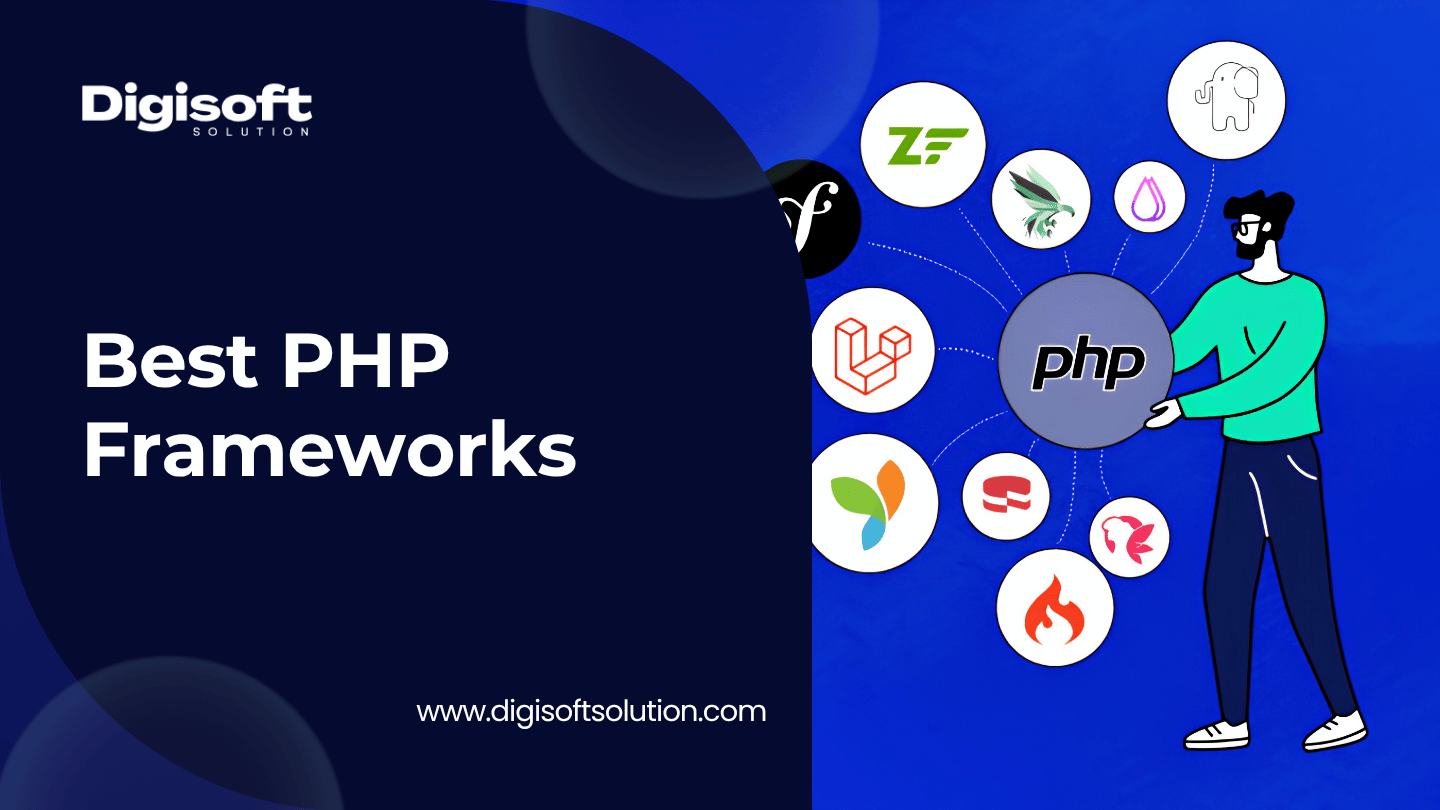
PHP continues to be the backbone of web development, powering over 72% of all websites on the internet. But just knowing PHP isn't enough anymore. Modern web development requires frameworks that handle the repetitive stuff, speed up development, and provide the security layer that users expect.
Here's the thing though: choosing the wrong PHP framework can really slow down your project. You might end up spending time wrestling with the framework instead of building features. That's why understanding which framework fits your specific needs is so important.
In 2026, we've got more options than ever before. From lightweight microframeworks like FlightPHP to enterprise-grade powerhouses like Symfony, there's basically a PHP framework for every type of project. We're going to break down the best options, compare them honestly, and help you make the right choice.
The Top PHP Frameworks for 2026
1. Laravel: The Most Popular PHP Framework (44.6% Market Share)
Laravel absolutely dominates the PHP framework landscape, and honestly, for a good reason. It's beautiful, it's developer-friendly, and it gets the job done efficiently.
What Makes Laravel Special:
Laravel shines because of its elegant syntax and convention over configuration approach. This means you spend less time configuring and more time building actual features. The framework comes with built-in tools like Artisan CLI, Laravel Forge for deployment, Envoyer for zero-downtime deployments, and a massive ecosystem of packages through Packagist.
If you're building full-stack web applications, SaaS products, e-commerce platforms, or complex applications where productivity matters, Laravel is genuinely your best bet. The learning resources are unmatched too. Laracasts provides thousands of hours of tutorials that actually make sense.
Performance and Scalability:
Laravel has come a long way. With PHP 8.5 and modern tooling, Laravel applications can handle serious traffic. Using FrankenPHP, Laravel can process up to three times more requests per second compared to traditional Nginx and PHP-FPM setups. That's pretty impressive for a framework that gets called slow sometimes.
Laravel Community and Ecosystem:
The community is thriving. You've got an answer to every possible question, packages for pretty much everything, and constant updates to keep the framework modern. This isn't a framework that's gonna disappear or become outdated.
Best Use Cases for Laravel:
- Content management systems
- E-commerce platforms requiring complex product management
- SaaS applications with multiple user roles
- Real estate platforms with advanced filtering
- Social media applications
- Real-time notification systems
Pricing: Free and Open Source
Laravel itself is completely free. You don't pay anything to use it. However, you might want to invest in optional paid services like Laravel Forge for server management or Envoyer for deployments, but those are optional and cost approximately $10 to $50 per month depending on your needs. These are convenience tools, not requirements.
Digisoft Solution's Expertise with Laravel:
At Digisoft Solution, we've built 700+ successful projects, and a significant portion involve Laravel. We offer Laravel development services that cover everything from custom application development to API creation. Our Laravel developers are experienced with building scalable e-commerce solutions, SaaS platforms, and enterprise applications. If you're considering Laravel but need expert guidance, our dedicated Laravel development team can help you build something that grows with your business.
2. Symfony: The Enterprise-Grade PHP Framework (10% Market Share)
Symfony is the heavyweight champion of PHP frameworks. It's been around since 2005, and it powers some seriously demanding applications. This framework doesn't mess around.
Why Choose Symfony:
Symfony is modular by design. This means you can use individual components without adopting the entire framework. This flexibility is why big companies love it. The framework provides reusable PHP libraries that simplify form creation, routing, authentication, object configuration, and templating. If you've got a complex project with specific requirements, Symfony can probably handle it.
The Symfony Learning Curve:
Let's be real: Symfony has a steep learning curve. It's not beginner-friendly, and there's definitely more configuration involved than with Laravel. But once your team gets the hang of it, you'll appreciate the power and flexibility it gives you. The expanding community and numerous unofficial support groups have made learning easier, but expect to spend time in the documentation.
Performance:
Symfony is built for performance and stability. It handles demanding applications like high-traffic e-commerce sites or real-time data processing platforms without breaking a sweat. The framework is constantly optimized, and the code quality is strict.
Best Use Cases for Symfony:
- Large-scale enterprise applications
- Complex backend systems with multiple integrations
- Long-running projects requiring strict code standards
- Applications needing microservices architecture
- Distributed applications with multiple teams
- Legacy system modernization projects
Pricing: Free and Open Source
Like Laravel, Symfony is completely free. There's no licensing cost. Your investment is in developer time and expertise since it's more complex to learn and implement.
3. Yii Framework: The High-Performance Choice (14.1% Market Share)
Yii 3 has officially replaced Yii 2 as the framework of choice for high-performance applications in 2026. If speed and efficiency matter most to your project, Yii deserves serious consideration.
What Makes Yii Stand Out:
Yii is built for performance. It's particularly good at handling traffic-intensive applications and data-heavy projects. The framework includes robust caching mechanisms that help applications run faster. Yii also provides rapid scaffolding, which is fantastic if you need to build CRUD applications quickly. The security features are built-in, not bolted on afterward.
Yii is particularly good for rapid development. If you need to get an MVP (minimum viable product) to market quickly, Yii's scaffolding tools can significantly speed up the process. You're basically letting the framework generate boilerplate code while you focus on business logic.
Performance Benefits:
Yii consistently outperforms many other frameworks when it comes to handling data-heavy applications. The caching layer is particularly impressive. Real-time data processing, dashboards with lots of information, and applications that query databases heavily all benefit from Yii's architecture.
Best Use Cases for Yii:
- E-commerce platforms with large product catalogs
- Real-time analytics dashboards
- Data-intensive applications
- High-traffic websites requiring advanced caching
- Rapid CRUD application development
- Applications requiring fast prototyping
Pricing: Free and Open Source
Yii is completely free. No licensing fees, no surprises.
4. CakePHP: Rapid Development with Minimal Configuration (Market Share: ~5%)
CakePHP is often overlooked, but it's actually fantastic if you value convention over configuration and want to build applications fast without overthinking architecture.
CakePHP Strengths:
CakePHP comes with built-in scaffolding, an ORM (Object Relational Mapping), and security utilities out of the box. You don't need to spend time configuring every little thing. The framework makes predictable decisions for you, which sounds restrictive but actually speeds up development significantly.
The Learning Curve:
CakePHP is much more beginner-friendly than Symfony or even Laravel. If you've got junior developers on your team or you're just getting started with frameworks, CakePHP is welcoming and doesn't expect you to know advanced concepts right away.
Best Use Cases for CakePHP:
- Rapid application development projects
- Small to medium-sized web applications
- Projects with tight deadlines
- Teams with mixed experience levels
- Applications requiring quick prototyping
- Content management systems
Pricing: Free and Open Source
Completely free, open-source, no hidden costs.
5. Laminas (formerly Zend Framework): Modular Enterprise Solution (12.4% Market Share)
Laminas is the successor to the Zend Framework and continues to be a solid, enterprise-focused choice. It's particularly good if you need a modular approach where you can pick and choose components.
When to Use Laminas:
Laminas shines when you've got a large-scale project where you want to use only specific components without adopting an entire framework. The modularity is genuinely one of its strongest points. This flexibility makes it suitable for complex applications where you need different tools for different parts.
Best Use Cases:
- Large-scale enterprise applications
- Projects requiring specific Zend components
- Microservices architecture
- Applications where modularity is critical
- Long-term legacy applications needing flexibility
Pricing: Free and Open Source
Open source, no licensing costs.
6. Phalcon: The Fastest PHP Framework (Performance King)
Phalcon is considered the fastest PHP framework in 2026 because it's delivered as a C extension, enabling near-native execution speed. If raw performance is your primary concern, Phalcon is worth investigating.
Performance Reality:
Phalcon is genuinely faster than pure-PHP frameworks because it's written in C. This makes it blazingly fast for handling high-traffic applications. If you're building something where milliseconds matter, Phalcon delivers.
The Trade-off:
The downside is a smaller ecosystem and community compared to Laravel or Symfony. You might find fewer packages and less online help when you run into problems. The learning resources aren't as abundant either. But if your hosting provider supports C extensions and performance is your priority, Phalcon is worth it.
Best Use Cases:
- High-traffic applications where performance is critical
- Real-time data processing applications
- Applications with strict performance requirements
- Microservices requiring extreme speed
- APIs handling millions of requests
Pricing: Free and Open Source
Completely free, no licensing required.
7. Slim Framework: Lightweight Microframework for APIs
Slim is a minimalistic microframework optimized for building fast APIs and microservices. It's probably the lightest option available while still providing essential framework features.
When Slim Makes Sense:
Slim is fantastic for APIs, RESTful services, and microservices. If you just need routing, middleware, and dependency injection without all the bells and whistles of a full framework, Slim gets out of your way.
Best Use Cases:
- RESTful APIs
- Microservices architecture
- Quick prototypes and MVPs
- Mobile backend services
- Simple web applications
- Personal projects
Pricing: Free and Open Source
Completely free and lightweight.
8. FlightPHP: The Minimalist's Dream
FlightPHP is one of the most lightweight PHP frameworks available. It's fast, extensible, and incredibly easy to learn. If simplicity is your priority, FlightPHP is hard to beat.
Why FlightPHP Works:
With almost zero setup, FlightPHP lets developers focus on writing business logic rather than configuring framework internals. It's perfect for developers learning the basics or building simple applications quickly. The entire learning curve is like, a couple of hours tops.
Best Use Cases:
- Micro-APIs
- Prototypes
- Personal projects
- Small tools
- Learning PHP framework basics
- Quick solutions
Pricing: Free and Open Source
Completely free.
PHP Framework Comparison Table: Features, Performance, and Learning Curve
|
Framework Name |
Market Share |
Best For |
Learning Curve |
Performance |
Community Size |
Free/Paid |
|
Laravel |
44.6% |
Full-stack apps, SaaS |
Beginner-Friendly |
Excellent |
Very Large |
Free |
|
Symfony |
10% |
Enterprise apps |
Steep |
Excellent |
Large |
Free |
|
Yii |
14.1% |
High-traffic apps |
Moderate |
Excellent |
Medium |
Free |
|
CakePHP |
~5% |
Rapid development |
Beginner-Friendly |
Good |
Small |
Free |
|
Laminas |
12.4% |
Enterprise modularity |
Steep |
Excellent |
Small |
Free |
|
Phalcon |
~3% |
High performance |
Moderate |
Outstanding |
Small |
Free |
|
Slim |
~2% |
APIs, microservices |
Very Easy |
Very Good |
Medium |
Free |
|
FlightPHP |
<1% |
Simple apps |
Very Easy |
Very Good |
Small |
Free |
Technical Considerations When Choosing a PHP Framework
Performance and Speed
Modern PHP has shed its old reputation for being slow. PHP 8.5 combined with Swoole delivers performance comparable to Go for input/output intensive workloads. With modern frameworks and proper optimization, you can build incredibly fast applications.
FrankenPHP specifically has changed the game. Laravel applications using FrankenPHP can process three times more requests per second than traditional setups. That's substantial.
Security Features
All modern frameworks include security features. But they vary in approach. Laravel comes with built-in protection against common vulnerabilities. Symfony offers extremely strict security. Yii has robust built-in mechanisms. Choose a framework that matches your security needs.
Scalability
Will your application grow? Need to handle millions of users eventually? Frameworks like Laravel, Symfony, and Yii are built for scaling. They handle microservices architecture, caching, queuing, and distributed systems. Lighter frameworks like FlightPHP and Slim can scale too, but you'll need to add more infrastructure.
Developer Experience
This matters more than people think. Happy developers are productive developers. Laravel's developer experience is fantastic. Symfony's is more demanding. CakePHP's is straightforward. Consider your team's preferences and experience level.
Community and Ecosystem
A strong community ensures long-term viability. Popular frameworks provide extensive documentation, third-party packages, security patches, and a larger talent pool. If something breaks, you can find answers fast.
Long-Term Maintenance
Some frameworks are "zombie frameworks" that technically work but aren't actively developed. Make sure you're choosing something actively maintained. As of 2026, all the frameworks we've mentioned are actively maintained.
How Digisoft Solution Helps with PHP Development
At Digisoft Solution, we bring over 13 years of professional experience building PHP applications for businesses worldwide. We've successfully delivered 700+ projects across healthcare, finance, retail, and every industry in between.
Why Choose Digisoft Solution for PHP Development:
We Don't Just Code. We Consult.
We start every project by understanding your business, not just your technical requirements. This means we'll recommend the right PHP framework for your specific situation. Sometimes that's Laravel. Sometimes it's Symfony. We choose based on your needs, not trends.
Experienced Laravel Development Team
Our Laravel development services cover everything. Custom application development from scratch, scaling existing applications, migrating legacy systems to Laravel, API development, and full SaaS platform creation. Our team understands Laravel deeply and can build applications that grow with your business. We've helped companies in healthcare, e-commerce, finance, and more build their products with Laravel.
Dedicated PHP Developers
Need dedicated PHP developers who'll become part of your team? We offer dedicated development team options where experienced PHP developers work exclusively on your project. You maintain full control while leveraging our expertise. These developers can work on Laravel, Symfony, or any framework your project needs.
Technical Expertise Across All Major Frameworks
While Laravel is our forte, we're experienced with Symfony for enterprise applications, Yii for high-performance projects, and other frameworks when the project demands it. We choose the right tool for the job, not just what we're comfortable with.
Security and Best Practices
All our PHP development follows security best practices. We're aware of common vulnerabilities, implement proper authentication and authorization, secure payment processing for e-commerce applications, and follow OWASP guidelines. Your application won't just work, it'll be secure.
Scalability from Day One
We don't build applications that need complete rewrites as they grow. Our architecture decisions ensure your application can scale from hundreds to millions of users. Database optimization, caching strategies, microservices architecture, and proper DevOps are all built in.
Supporting Services You Might Need
Beyond just development, we offer API development services, software testing and QA, UI/UX design for beautiful interfaces, and digital marketing services to help your application reach your target audience. Our software testing team ensures your application works flawlessly before launch.
Case Studies and Real Results
Our clients have seen real results. We've built e-commerce platforms generating millions in revenue, SaaS applications serving thousands of users, healthcare systems handling patient data securely, and more. Check out our case studies to see real examples of what we've delivered.
For specific industry expertise:
- E-commerce solutions: See our e-commerce website development work
- SaaS platforms: Explore our SaaS development services
- Enterprise applications: Check our enterprise software development expertise
- API integration: Review our API development services
If you're ready to build your PHP application the right way, schedule a consultation with our experts. We provide free strategy consultations and can give you a clear technical roadmap for your project.
Frequently Asked Questions About PHP Frameworks (FAQ)
What's the difference between Laravel and Symfony?
Laravel is beginner-friendly, follows convention over configuration, and prioritizes developer happiness. You'll build applications faster. Symfony is more flexible, modular, and requires more configuration. It's the choice for complex enterprise applications where flexibility matters more than speed to market.
In simple terms: Choose Laravel if you value productivity and quick time to market. Choose Symfony if you're building something complex that needs to be maintained for years and your team is experienced.
Can I use multiple PHP frameworks in one project?
Technically yes, but practically no. Mixing frameworks in one project creates maintenance nightmares. Stick with one framework per project. However, you can use one framework for your backend API and another technology for frontend (React, Vue, etc.).
Is PHP 8.5 compatible with all PHP frameworks?
Most modern frameworks support PHP 8.5. Check framework documentation to be sure. If you're using an old zombie framework from 2015, probably not. But all the frameworks we've discussed support PHP 8.5 and later.
Which PHP framework needs the most expensive hosting?
They all work on similar hosting. The cost depends more on your application's traffic and complexity than the framework choice. Laravel runs great on $5/month shared hosting and scales to enterprise servers. Same with Symfony.
Can I deploy a PHP framework application on any hosting provider?
Almost any hosting provider supports PHP frameworks. Check that they support:
- PHP 8.0 or higher
- Composer (for dependency management)
- HTTPS/SSL
- Sufficient storage and bandwidth for your needs
Most modern hosting handles this.
How long does it take to learn a PHP framework?
- Laravel: 4-6 weeks for basic proficiency, 3-6 months for real-world projects
- Symfony: 8-12 weeks for basics, 6-12 months for expert-level understanding
- Yii: 4-8 weeks for basics
- CakePHP: 2-4 weeks for basics
- Slim/FlightPHP: 1-2 weeks for basics
But honestly, you're learning the framework while building. Real proficiency comes from actually shipping projects.
What about PHP framework pricing and licensing costs?
All the frameworks we've discussed are completely free and open source. You don't pay licensing fees. Your investment is in developer time and expertise. Optional paid services like hosting, deployment tools, and premium tutorials are just convenience additions, not requirements.
Which PHP framework is best for my startup?
For most startups, Laravel is your best bet. You'll move fast, the community is huge, and hiring Laravel developers is easier than other frameworks. Time to market matters for startups, and Laravel optimizes for that.
For startups needing extreme performance or extreme simplicity, consider Yii or Slim respectively.
Should I use an older PHP framework like Zend?
Laminas (the new name for Zend Framework) is actively maintained. If you need its specific features, use it. But for new projects, consider newer frameworks. They're more aligned with modern development practices, which honestly you're gonna need.
What's the learning curve difference between frameworks?
- Easiest: FlightPHP, Slim (you can learn in hours)
- Beginner-Friendly: Laravel, CakePHP (weeks to months)
- Moderate: Yii, Phalcon (weeks to months)
- Steep: Symfony, Laminas (months)
Your team's current PHP knowledge matters more than the framework. An experienced PHP developer learns any framework faster.
Answering the Public: Common Misconceptions About PHP Frameworks
Misconception 1: PHP is dead and frameworks are useless
Reality: PHP powers 72% of websites. It's more alive than ever. Modern PHP with frameworks is fast, secure, and practical. Not sexy to talk about at tech conferences, but it works and powers real businesses.
Misconception 2: All PHP frameworks are slow
Reality: Modern PHP is genuinely fast. FrankenPHP running Laravel processes 3x more requests than traditional setups. Phalcon is faster than many compiled languages for certain workloads. The "PHP is slow" reputation is outdated.
Misconception 3: I can build without a framework
Reality: You technically can, but why would you? Writing routing, authentication, validation, database logic from scratch is tedious and error-prone. Frameworks exist because they solve real problems developers face repeatedly.
Misconception 4: Pick the most popular framework for every project
Reality: Popular doesn't always mean best for you. Laravel is best for most projects, but Symfony might be better for yours. Slim might be perfect for your API. Choose based on requirements, not popularity.
Misconception 5: Frameworks have hidden costs
Reality: All modern PHP frameworks are free and open source. No licensing costs, no surprise fees. Your only cost is developer time, which is similar regardless of framework.
Conclusion: Making Your PHP Framework Choice in 2026
Choosing a PHP framework isn't a one-size-fits-all decision. It's about understanding your project needs, your team's experience, and your business goals.
Here's our honest recommendation framework (pun intended):
- For most projects: Laravel. The community, ecosystem, learning resources, and productivity all point to Laravel as the default choice.
- For enterprise applications: Symfony. The flexibility and modularity are worth the learning curve.
- For performance-critical applications: Yii or Phalcon, depending on whether you need ecosystem support or pure speed.
- For simple projects and APIs: Slim or FlightPHP. Don't overcomplicate things.
- For rapid development with minimal config: CakePHP.
Whatever you choose, remember that the framework is a tool. The real value comes from solving business problems and delivering what users need. A team of developers who deeply understand their chosen framework will outperform a team using the "best" framework but not really understanding it.
If you're still uncertain or need expert guidance, that's what we're here for. At Digisoft Solution, we've made these choices hundreds of times. We've seen what works, what doesn't, and what causes headaches later. We offer free strategy consultations where we'll help you pick the right framework and create a technical roadmap for your project. No obligation, just genuine advice from experienced developers.
Ready to move forward? Contact us for a free consultation, and let's build something amazing together.
Digital Transform with Us
Please feel free to share your thoughts and we can discuss it over a cup of coffee.