Shapetape: Transforming Everyday Shapewear Into a High-Trust D2C Shopping Experience








About The Client
Shapetape
- IndustryWomen's Shapewear & Fashion Accessories
- RegionNetherlands
- PlatformShopify
- Delivery3 Months
Shapetape is a Shopify-based direct-to-consumer shapewear and supportwear brand offering products such as boob tape, bodysuits, shaping garments, and body-support essentials.
The business operates on a digital-first model in which purchase decisions depend heavily on fit clarity, visual accuracy, and variant-level selection. A structured product presentation system was required, a product presentation system to support confident online purchasing without physical trials.
Before optimization, friction was observed across product discovery and purchase flows, particularly between product pages, add-to-cart actions, and checkout progression. The store also needed a scalable architecture to support frequent catalog updates, campaigns, and seasonal collections while maintaining a consistent UX.
Project Overview
Structured Shopify Commerce For Sizing, Variants & Mobile Flow
As ShapeTape expanded its shapewear and supportwear catalog, the Shopify storefront experienced issues with product discovery, consistent variant selection, and mobile navigation, which affected the overall shopping flow. The growing complexity of the Shopify Online Store 2.0 architecture required theme-level restructuring to maintain performance and UX stability.
The brand approached Digisoft Solution to address limitations in the existing theme architecture and improve scalability across product, collection, and cart experiences. The implementation focused on modular Liquid restructuring, JavaScript-based variant handling, and optimized cart interactions within native Shopify limitations. This improved product visibility, sizing clarity, and storefront consistency.
The Concept
A Purchase-Focused Storefront With Contextual Product Education
The storefront was designed as a multi-page Shopify experience optimized for the purchase flow. This reduced decision friction across product discovery, evaluation, and purchase stages. Instead of relying on heavy navigation-based exploration, key product information was surfaced contextually within product and collection flows to streamline user decision-making.
The UI architecture was built on Shopify Online Store 2.0’s modular structure using template-level layouts, reusable Liquid sections, and configurable section blocks to ensure consistent rendering across product types. A structured hierarchy of templates, sections, and blocks ensured scalable content management across shapewear, bodysuits, and accessories.
Interactive behavior was implemented using JavaScript-based state management, with variant-driven DOM updates triggered by Shopify variant JSON change events. This enabled real-time synchronization of pricing, sizing, and availability states without full-page reloads.
Product education, sizing guidance, and usage context were embedded directly into the shopping experience to support faster evaluation and consistent behavior across pages.
Key Challenges Addressed
Growing Catalog Complexity Required Control Over Trust, Variants & Performance
Visual Trust Dependency
Strong reliance on accurate fit representation, product appearance, and usage clarity required consistent visual and informational support across product pages.
Complex Variant Selection Experience
Multiple sizes, colors, and bundle options increased decision complexity, especially affecting mobile-based product selection.
Product-Level Conversion Optimization
Product pages needed a clearer hierarchy and stronger add-to-cart and sizing confidence signals to improve purchase decisions.
Competitive Product Differentiation
High market similarity across shapewear brands required a stronger emphasis on reviews, shipping clarity, and trust messaging.
Performance vs Visual Load Balance
Heavy use of lifestyle imagery and product media required optimization to maintain fast loading and stable responsiveness.
Scalable Catalog Structure
Expanding product range required a more structured approach to collections, filtering, and navigation to maintain discoverability.
Technical Solutions We Implemented
Theme Architecture For Stable Variant & Cart Behavior
Modular Liquid restructuring, JavaScript variant handling, and optimized cart interactions—delivering clearer sizing, stronger trust signals, and consistent mobile purchase flows within native Shopify constraints.
Product Information Restructuring
Product pages were built using Shopify Online Store 2.0 Liquid sections and modular templates. Data was sourced through Shopify metafields to standardize sizing, usage, and product attributes across templates. This enabled structured content reuse across product types while remaining bound to Liquid template logic for rendering.
Variant & Selection Handling System
Product variants were managed using JavaScript-based state handling synced with Shopify variant JSON. Invalid or incomplete selections are handled via client-side validation before payload submission. The Shopify AJAX Cart API (/cart/add.js) ensures only complete, structurally sound variant IDs are added, significantly reducing malformed payloads and empty configuration submissions.
Collection and Navigation Architecture
The collection structure was implemented using Shopify Liquid templates, enhanced with metafield-based filtering and tag-driven grouping where required. Shopify Search & Discovery filtering (where applicable) was used to improve product discoverability. Sorting mechanisms such as featured, price-based, and manual ordering were applied to reduce navigation friction across transitions across homepage, collection, and product pages.
Storefront Trust Content Integration
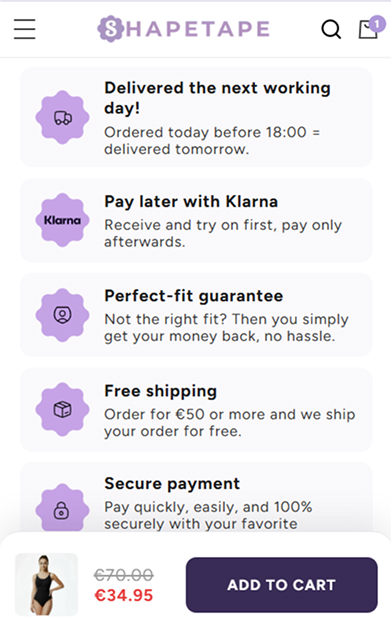
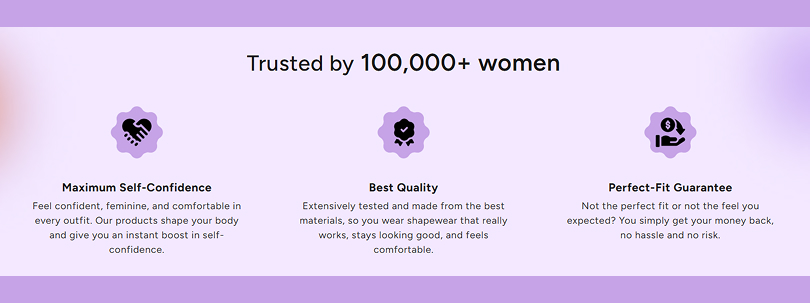
Trust elements, including reviews, shipping details, guarantees, and usage guidance, were implemented using reusable Liquid snippets and section blocks. Content reuse ensured consistency across templates, with rendering controlled through section configuration rather than duplicated static content.
Mobile Experience Optimization
Mobile responsiveness was optimized using CSS media queries and adaptive Liquid section layouts. Performance improvements included layout stability improvements to reduce CLS (Cumulative Layout Shift), optimized interaction timing for variant selection, and improved scroll-to-action behavior on product pages. Touch interaction spacing and element hierarchy were refined to improve mobile navigation and clarity of the purchase flow.
Media Handling and Performance Optimization
Media performance was optimized via Shopify CDN using responsive, compressed assets across breakpoints. WebP (and AVIF, where supported) reduced file sizes and enabled lazy loading for below-the-fold assets. This prioritized above-the-fold rendering and deferred non-critical scripts to improve initial page load speed.
Screens From the Live Build
Surfaces We Designed & Engineered Into Production
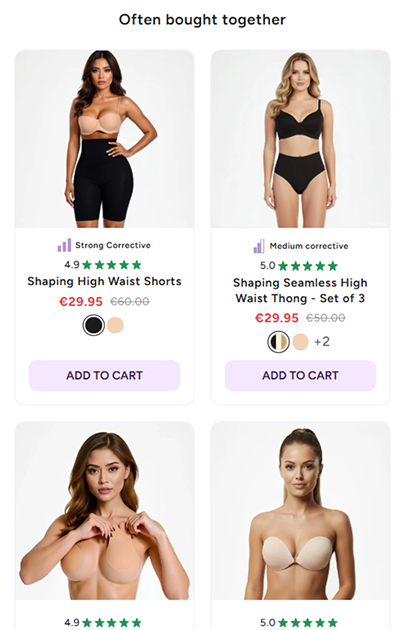
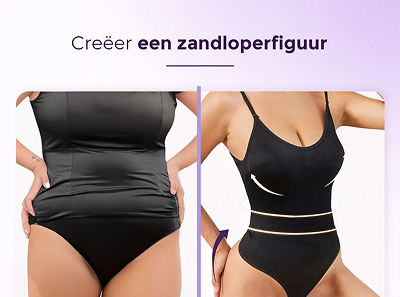
Selected moments from the Shapetape Shopify storefront where product discovery, variant selection, bundle pricing, and cart consistency come together for a confidence-driven shapewear shopping experience.


Core Features & Functionalities
Designed For Confidence-Driven Shapewear Commerce
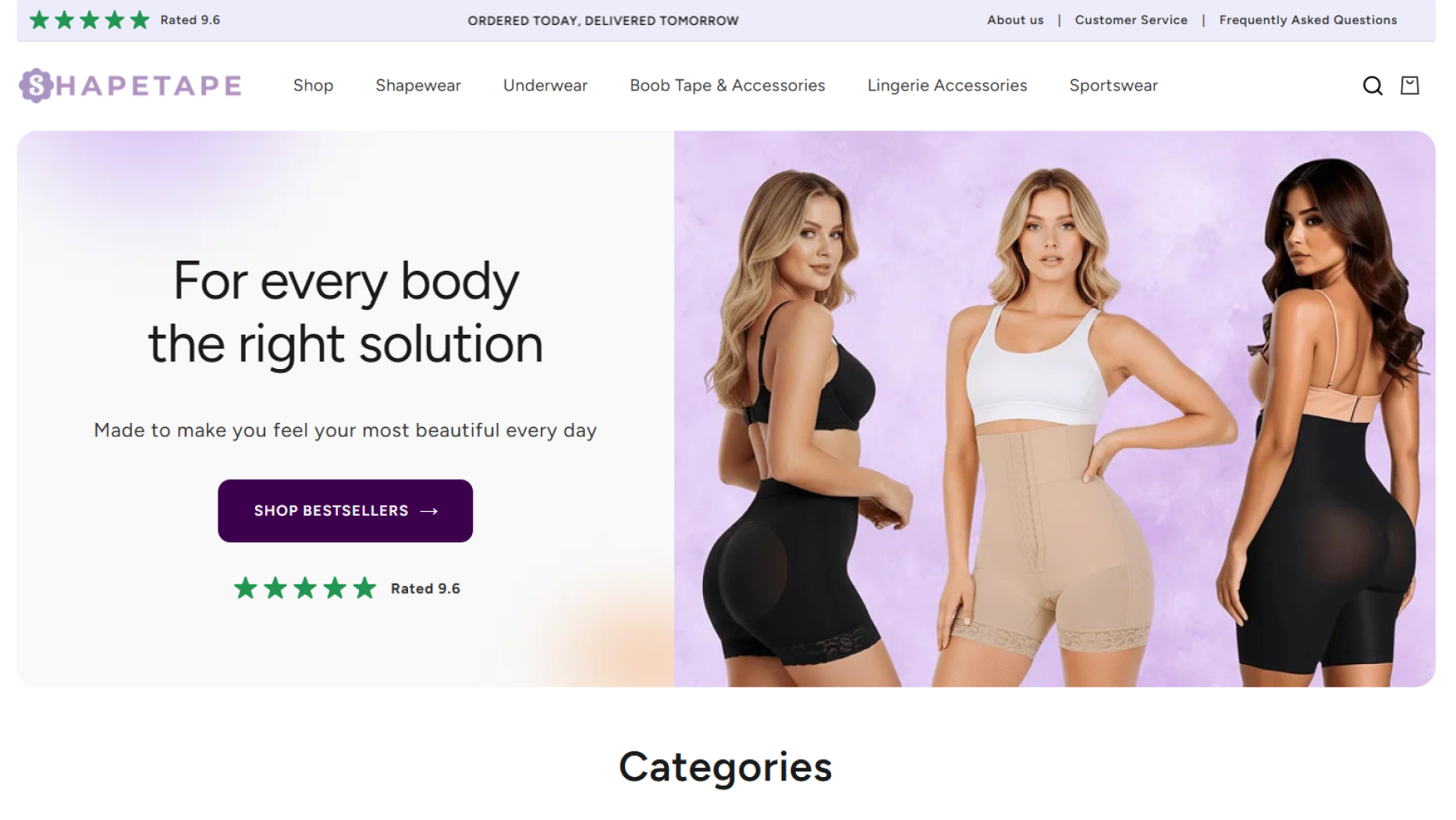
- Data-Driven Product Discovery Homepage: The homepage is structured using Shopify Online Store 2.0 sections, with metafield-driven configuration and featured-collection logic. Best-selling products and high-priority collections are surfaced first, followed by clearly defined categories such as shapewear, boob tape, and bodysuits. Direct “Shop Now” pathways reduce the number of navigation steps and guide users toward product pages with minimal friction.
- Category-Based Navigation System: Navigation is organized around product categories mapped to Shopify collections, enabling direct access to filtered product listings. This structure reduces dependency on manual search and improves alignment between browsing behavior and purchase intent.
- High-Converting Product Page Architecture: Product pages are designed to support purchase decisions through organized variant selection (size, color, and bundle options), real-time pricing updates, and embedded cross-sell and upsell suggestions. Bundle-based offers such as multi-item discounts (e.g., Buy 2 / Buy 3) are integrated directly into the product interface to increase average order value while maintaining selection clarity.
- Configurable Variant Selection System: Product variants are dynamically managed via JavaScript-based state handling and synchronized with Shopify variant JSON. This ensures only valid configurations are selectable and maintains consistency across product interactions.
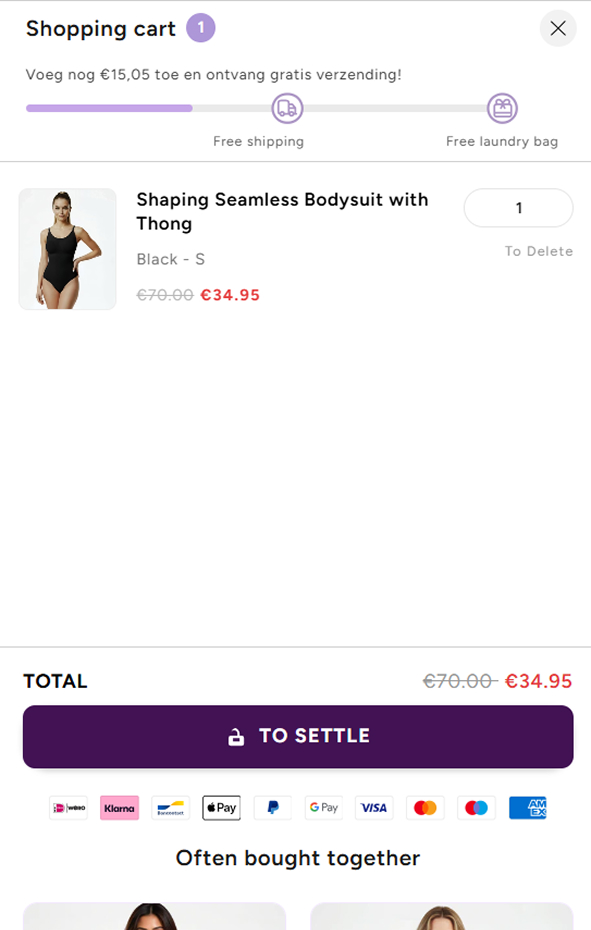
- Bundle Pricing Logic: Bundle pricing is calculated dynamically via client-side state tracking before cart injection. This is synchronized with an event-driven listener that locks bundle integrity within the cart drawer, preventing users from bypassing promotional rules by altering individual line-item states.
- Cart State Consistency Layer: The cart preserves all selected configurations using Shopify AJAX Cart API validation. Variant and bundle states are transferred consistently from the product page to the cart and checkout, without mismatches in selected attributes.
Technologies We Used
Tools Chosen For OS 2.0 & Variant Performance
Frontend Layer
Shopify Core
Commerce & Checkout
Performance & Delivery Layer
Analytics & Tracking
Hosting & Infrastructure
Testing & Quality Assurance
Validated For Variants, Navigation & Mobile
Testing was conducted using cross-device manual QA and browser-based inspection of Shopify theme rendering in Chrome DevTools, via device simulation and on real mobile devices.
- Product configurations were tested across sizes, colors, and bundle variants to validate correct selection behavior and output consistency.
- Add-to-cart and pricing validations ensured accurate transfer of selected variants and consistent pricing across product pages, cart, and checkout.
- End-to-end navigation testing was conducted from the homepage → collections → product pages → cart to ensure stable routing and the absence of broken links.
- Mobile responsiveness was verified across multiple screen sizes to ensure layout stability, readability, and functional interactions.
- Cart persistence and performance checks (Lighthouse audits) were performed to ensure session stability and monitor Core Web Vitals (LCP, CLS, TBT).
Our Development Approach & Timeline
Phased Delivery Across 3 Months
From requirement analysis and store architecture through theme development, variant and cart functionality, optimization, and deployment.
Requirement Analysis & Shopify Store Planning
Commerce goals, catalog structure, and theme architecture specification.
Store Architecture & Collection Structure Setup
Collection hierarchy, filtering strategy, and navigation model.
Shopify Theme Development & Layout Implementation
OS 2.0 modular templates and responsive storefront foundation.
Product, Variant & Cart Functionality Development
Variant JSON handling, bundle logic, and AJAX cart synchronization.
App Integration, Testing & Store Optimization
Performance tuning, trust content integration, and mobile refinements.
Final QA, Fixes & Store Deployment
End-to-end validation, launch, and post-deployment stabilization.
Measurable Outcomes
Commerce Gains From Structured Shopify Delivery
Metrics were evaluated using Shopify Analytics over comparable pre- and post-implementation periods. We included consistent traffic conditions and funnel-based tracking across product, cart, and checkout stages. Results reflect observed performance changes during the implementation window and do not isolate external campaign effects.
Conversion rate (up from 2.1%)
Mobile checkout completion (up from 58%)
Average order value (up from €42)
Product page engagement (up from 48%)
The Shapetape storefront was restructured into a more cohesive Shopify experience, improving product discovery, variant clarity, and purchase flow consistency. The changes reduced decision friction and aligned product presentation with cart behavior. This resulted in a more predictable, stable, and conversion-oriented shopping journey across devices within Shopify constraints.